Delhi's Leading Robotic Surgeon | Max Hospital Dwarka
Best Robotic Surgeon in Delhi for GI & Bariatric Surgery
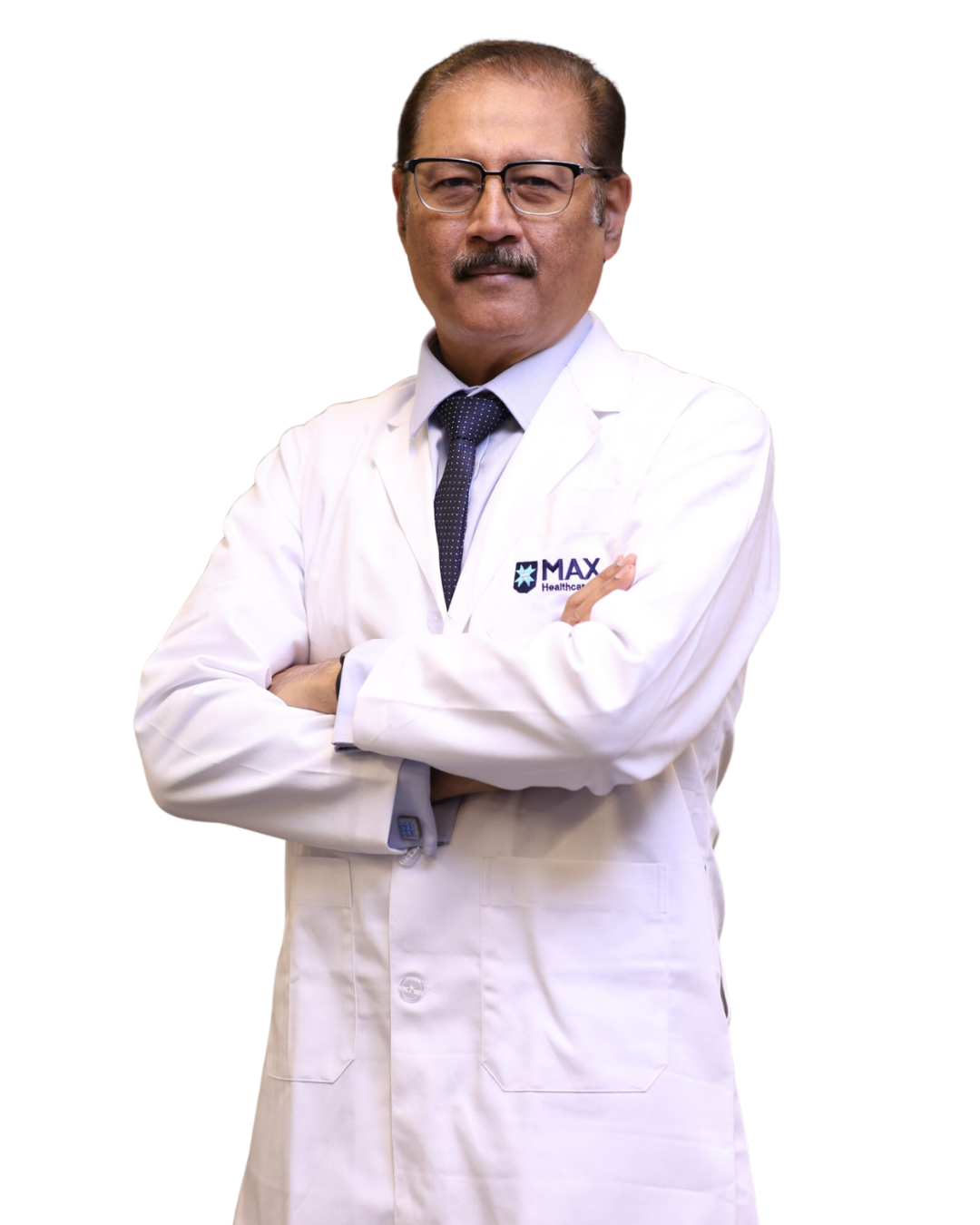
Dr. Randeep Wadhawan — 30+ years, 60,000+ surgeries. Experience the gold standard of minimally invasive care at Max Hospital Dwarka with India's most advanced robotic surgical systems.
Dr. Randeep Wadhawan is one of India's most experienced and decorated robotic surgeons, specialising in GI and bariatric surgery. Based at Max Super Speciality Hospital, Dwarka, Delhi, he has completed over 60,000 procedures — including complex robotic bariatric, hernia, and gastrointestinal surgeries — with an exceptional 98% success rate.
His commitment to patient safety, minimally invasive techniques, and personalised care has earned him 50+ national and international awards.
Advanced Training
Fellowship trained in minimally invasive, robotic, and bariatric surgery from premier Indian and international institutions.
Award-Winning Surgeon
Recipient of 50+ national and international accolades including Best Robotic Surgeon and Excellence in Bariatric Surgery awards.
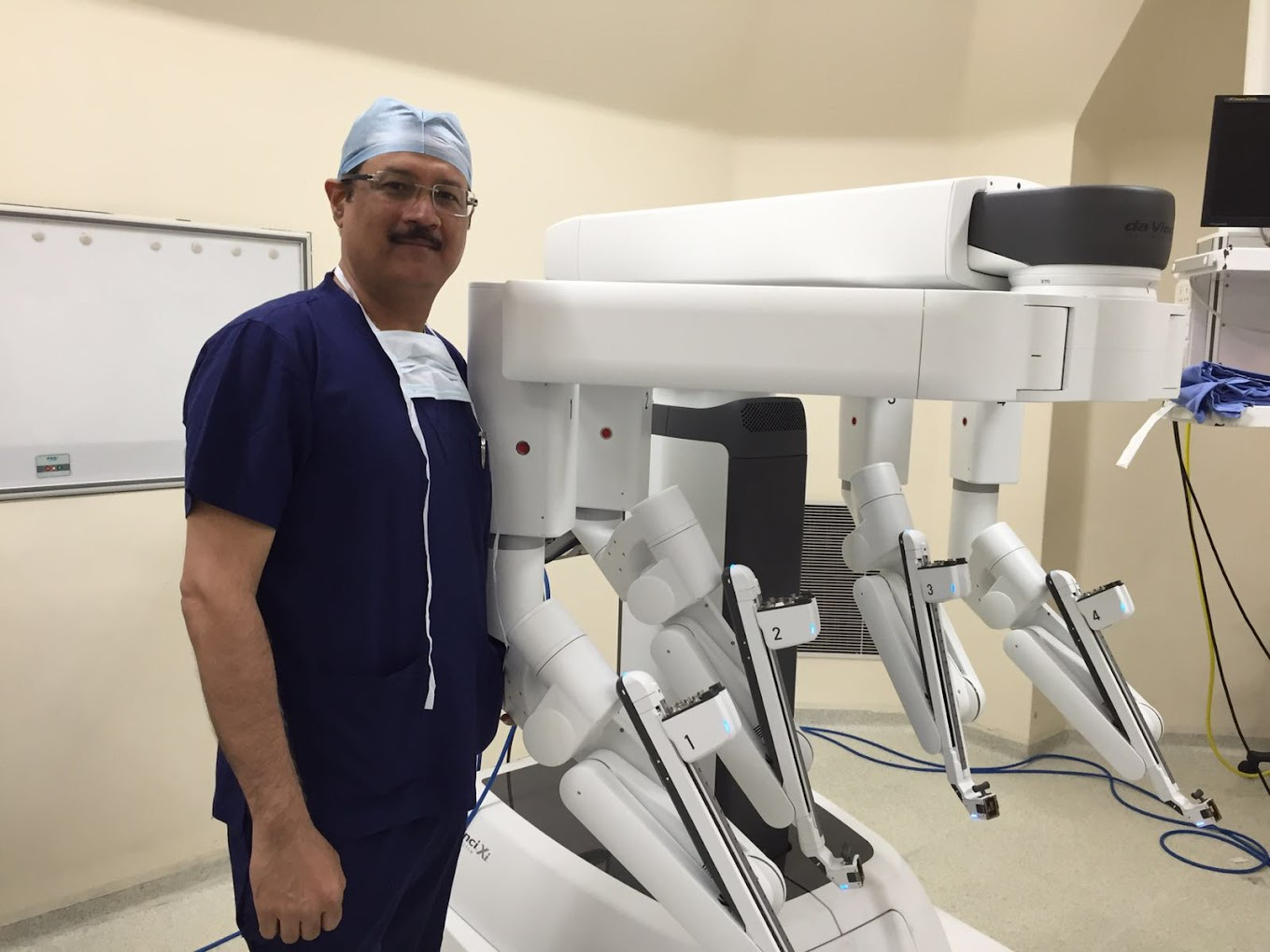
The da Vinci robotic system provides surgeons with unmatched precision, 3D visualization, and wristed instrument movement — enabling complex surgeries through tiny incisions with superior outcomes.
For patients seeking minimally invasive care without robotic surgery, Dr. Wadhawan offers state-of-the-art laparoscopic procedures with excellent outcomes and rapid recovery.
"Dr. Wadhawan performed my robotic sleeve gastrectomy and the entire experience was exceptional. I was back home in 2 days and lost 45 kgs within 8 months. Life-changing surgery!"
Priya Sharma
Robotic Sleeve Gastrectomy
"I had a complex hernia repaired robotically by Dr. Wadhawan. The level of care and precision was outstanding. Minimal pain, no visible scar, and back to work in a week!"
Rajesh Kumar
Robotic Hernia Repair
"Dr. Wadhawan's team guided me through every step. My gastric bypass surgery was a success and my diabetes is now in remission. I cannot thank him enough for giving me my life back."
Sunita Mehta
Robotic Gastric Bypass
Results
Before & After
Real patient results under Dr. Wadhawan's care. Individual results may vary.
Frequently Asked Questions About Robotic Surgery in Delhi
Robotic surgery uses a computer-assisted robotic system (like da Vinci) to perform minimally invasive procedures with greater precision, flexibility, and control than conventional laparoscopic surgery. The surgeon controls robotic arms through a console, providing 3D HD vision and wristed instruments that move with greater range of motion than the human hand. Laparoscopic surgery uses standard rigid instruments through small ports, while robotic surgery enhances this with the added precision and dexterity of robotic technology.
Yes. Robotic surgery performed by an experienced, trained surgeon like Dr. Randeep Wadhawan is considered safe and has an excellent safety profile. The da Vinci robotic system is FDA-approved and is used in leading hospitals worldwide. It has been shown to reduce complications, blood loss, and infection risk compared to open surgery.
Dr. Wadhawan performs a wide range of robotic surgeries including: Robotic Bariatric Surgery (sleeve gastrectomy, gastric bypass, mini bypass), Robotic GI Surgery (hernia repair, gallbladder, colon, rectum, appendix), Robotic Metabolic Surgery, and complex revisional bariatric procedures.
Recovery from robotic surgery is significantly faster than open surgery. Most patients are discharged within 1–3 days and return to light activities within 1–2 weeks. Full recovery and return to work typically occurs in 2–4 weeks, compared to 4–8 weeks for open surgery.
You may be a candidate for robotic bariatric surgery if you have a BMI of 35+ with obesity-related comorbidities (diabetes, hypertension, sleep apnoea) or a BMI of 40+. Dr. Wadhawan will evaluate your complete medical history, BMI, lifestyle, and health goals to determine the most appropriate treatment for you.
Open surgery involves a large abdominal incision (15–30 cm), longer hospital stay (5–7 days), more pain, higher infection risk, and longer recovery (6–8 weeks). Robotic surgery uses tiny incisions (0.5–1 cm), requires only 1–3 days in hospital, causes significantly less pain, carries lower infection risk, and allows recovery in just 2–4 weeks.
At Dr. Wadhawan's practice, robotic bariatric surgery has a 98% success rate. Patients typically lose 60–80% of excess body weight within 12–18 months post-surgery. Additional benefits include resolution or improvement of type 2 diabetes, hypertension, sleep apnoea, and joint pain in the majority of patients.
Robotic surgery leaves minimal scarring. The surgery requires only 4–5 small incisions of 0.5–1 cm, which typically heal as tiny, barely visible marks. This is in stark contrast to open surgery, which leaves a large midline scar of 15–30 cm.
The cost of robotic surgery in Delhi varies depending on the type and complexity of the procedure, hospital charges, and insurance coverage. Please contact us at +91 7042373880 or book a consultation for a detailed cost estimate. Most procedures are covered by health insurance. Dr. Wadhawan's team will help guide you through the insurance process.
The da Vinci Surgical System is the world's most advanced robotic surgery platform, manufactured by Intuitive Surgical (USA). It provides surgeons with a magnified 3D HD vision and tiny wristed instruments that bend and rotate with greater precision than the human hand. Max Hospital Dwarka is equipped with the latest generation da Vinci system.
Preparation for robotic surgery includes pre-surgical tests (blood work, ECG, imaging), nutritional assessment and optimisation, cessation of certain medications, fasting as directed, and attending pre-operative counselling sessions with Dr. Wadhawan's team. Detailed preparation instructions are provided at your consultation.
Many health insurance plans in India cover bariatric surgery when medically indicated (BMI 35+ with comorbidities or BMI 40+). Coverage varies by insurer and policy. Dr. Wadhawan's team at Max Hospital Dwarka can help you navigate the pre-authorisation process with your insurer.
Sleeve gastrectomy removes approximately 80% of the stomach, creating a smaller sleeve-shaped stomach that restricts food intake. Gastric bypass creates a small stomach pouch and reroutes the small intestine, both restricting food intake and reducing calorie absorption. Gastric bypass generally produces greater and faster weight loss and is more effective for type 2 diabetes remission, but carries slightly higher complexity. Dr. Wadhawan will recommend the most appropriate procedure based on your specific profile.
Mini gastric bypass (MGB) or single anastomosis gastric bypass is a simplified version of the standard gastric bypass. It involves creating a small stomach tube and one intestinal bypass (single anastomosis), rather than two connections. It achieves comparable weight loss to standard bypass with shorter operating time and potentially fewer complications.
Yes. Robotic hernia repair is one of Dr. Wadhawan's specialisations. The da Vinci robotic system allows precise mesh placement for complex ventral, inguinal, and incisional hernias with minimal recurrence rates, reduced pain, and faster return to activity compared to open hernia repair.
Like all surgeries, bariatric surgery carries some risks. With an experienced robotic surgeon, these are significantly minimised. Potential risks include bleeding, infection, anastomotic leak (very rare), nutritional deficiencies (managed with supplements), and rare long-term complications like stricture. Dr. Wadhawan's team provides comprehensive follow-up care to manage and prevent complications.
Most patients with desk jobs return to work within 2–3 weeks after robotic bariatric surgery. Those with physically demanding jobs may require 4–6 weeks. Dr. Wadhawan will provide personalised guidance based on your procedure and recovery progress.
Following bariatric surgery, lifelong supplementation is required to prevent nutritional deficiencies. These typically include a high-potency multivitamin, vitamin B12, calcium citrate, vitamin D, and iron (particularly for women). Dr. Wadhawan's nutritionist team will provide a personalised supplementation plan.
Yes. While standard laparoscopic cholecystectomy remains the gold standard for most gallbladder removals, robotic cholecystectomy is beneficial for complex cases, those with significant inflammation, or patients with challenging anatomy. Dr. Wadhawan performs both approaches based on the individual patient's needs.
Dr. Randeep Wadhawan practises at Max Super Speciality Hospital, Sector 1, Dwarka, New Delhi – 110075. The hospital is conveniently located near Dwarka Sector 1 Metro Station and is easily accessible from across Delhi-NCR.
You can book a consultation by calling +91 7042373880, sending a WhatsApp message to +91 7042373880, filling the appointment form on this website, or visiting Max Hospital Dwarka in person. Online video consultations are also available for outstation patients.