Minimally invasive robotic gastrointestinal surgery for hernia, gallbladder, colon, rectal, and complex GI conditions — performed with sub-millimetre precision by Dr. Randeep Wadhawan.
Overview
Advanced Robotic GI Surgery
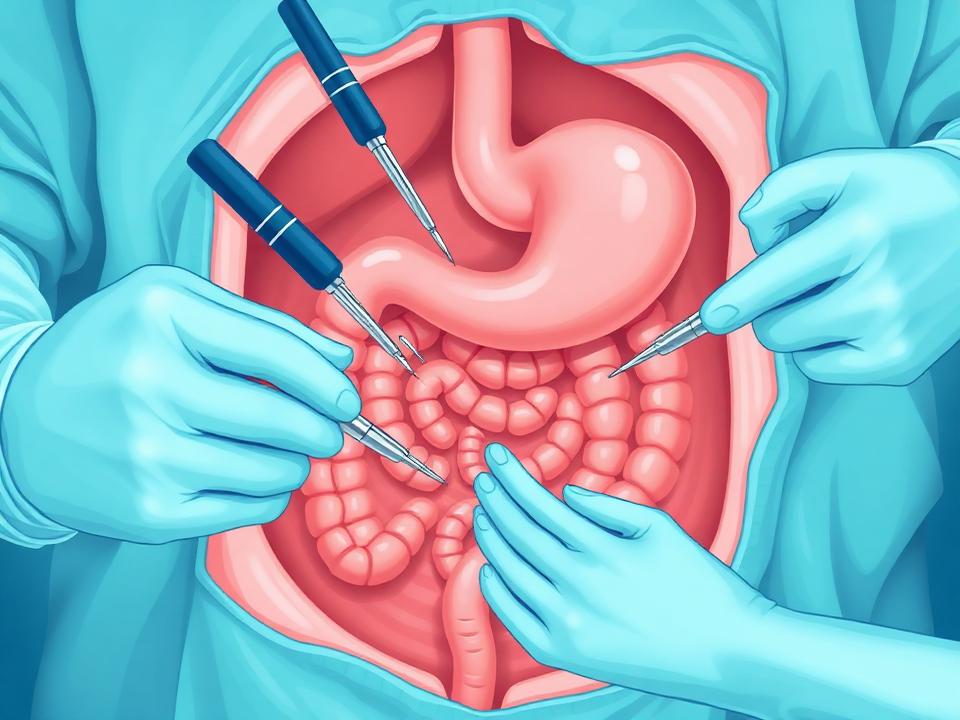
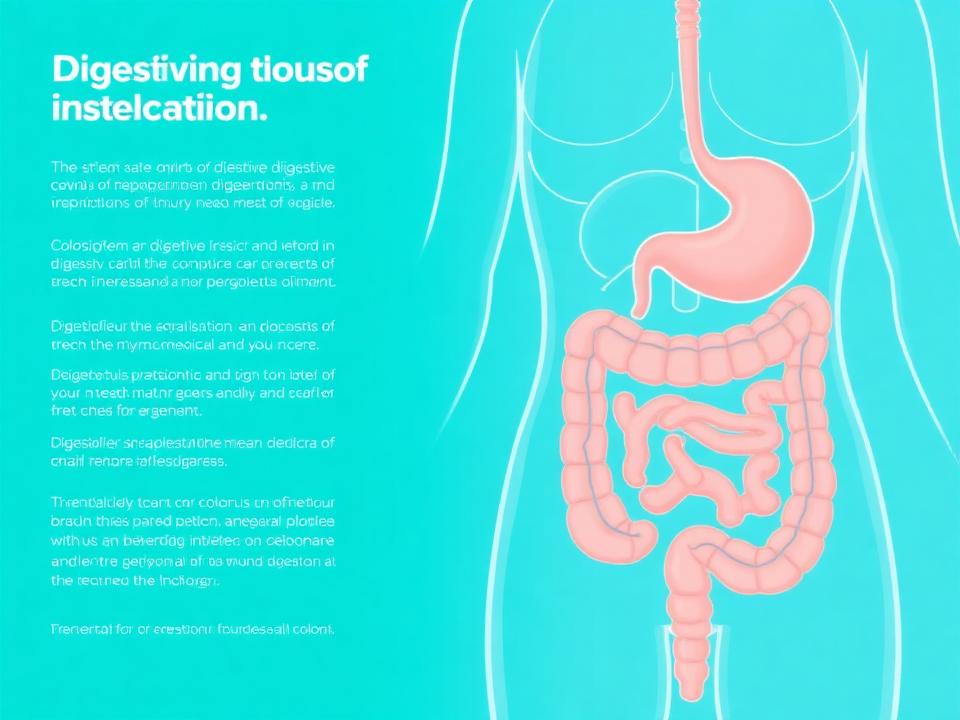
Gastrointestinal surgery encompasses a wide spectrum of procedures from routine gallbladder removal to complex oncological resections. Robotic GI surgery brings the transformative precision of the da Vinci Surgical System to all of these, enabling safer dissection, cleaner margins, and faster recovery.
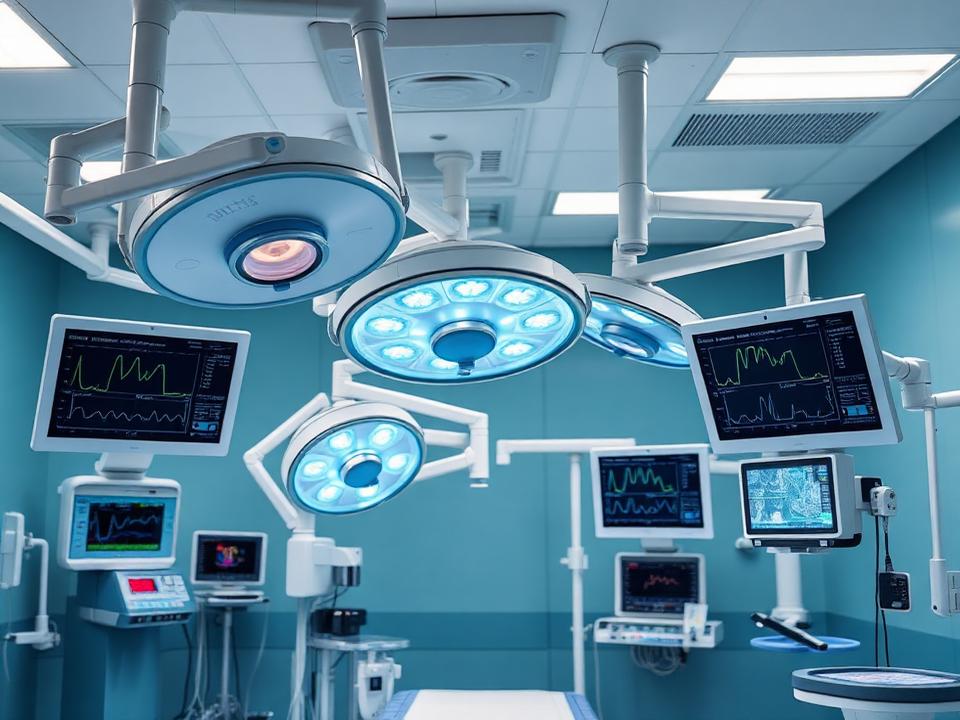
At Max Hospital, Dwarka, Dr. Randeep Wadhawan performs the full range of GI procedures robotically — from straightforward cholecystectomies to complex rectal and oncological surgeries — in a state-of-the-art robotic suite with a dedicated team.
Dr. Wadhawan performs all major GI procedures using robotic technology for superior outcomes.
Robotic Hernia Surgery
Robotic repair of inguinal, incisional, umbilical, and complex hernias with precise mesh placement. Robotic dexterity enables perfect mesh positioning and fixation, reducing recurrence rates and post-operative pain significantly compared to open repair.
Robotic cholecystectomy for gallstones and gallbladder disease with superior visualisation of the critical view of safety. Particularly beneficial for difficult cases with inflammation, adhesions, or anatomy variations that increase conversion risk with standard laparoscopy.
Robotic appendicectomy for acute and recurrent appendicitis. The robotic approach offers greater flexibility in difficult anatomical positions and obese patients, ensuring complete removal with minimal contamination and faster recovery.
Robotic colectomy for colon cancer, diverticular disease, and inflammatory bowel disease. The robotic system enables precise lymph node dissection and vascular control, achieving superior oncological clearance with minimal blood loss.
Robotic total mesorectal excision (TME) for rectal cancer and low anterior resection. The narrow pelvis is where robotic surgery truly excels — providing the vision and dexterity that laparoscopic instruments cannot achieve, preserving sphincter function and reducing permanent stoma rates.
Robotic oncological surgery for gastric, colorectal, and other GI cancers. Precise lymphadenectomy and wide margin clearance are critical for long-term survival. The robotic system enhances the surgeon's ability to achieve R0 resection with reduced operative morbidity.
Superior 3D HD vision in confined pelvic and abdominal spaces
Tremor-free precise dissection around critical structures (vessels, nerves, ureters)
Significantly less blood loss and lower transfusion rates
Faster return of bowel function and shorter hospital stay
Lower wound complication and hernia rates at port sites
Better oncological outcomes with superior lymph node yield
FAQ
Robotic GI Surgery FAQs
Robotic GI surgery uses the da Vinci Surgical System to perform gastrointestinal procedures through tiny incisions. The robot provides the surgeon with 3D HD magnified vision, tremor-filtered movement, and articulated instruments that bend and rotate like a human wrist, enabling procedures that are difficult or impossible with conventional laparoscopy.
For straightforward gallbladder removal, laparoscopy remains excellent. Robotic cholecystectomy is particularly beneficial for difficult cases: acute cholecystitis with severe inflammation, previous abdominal surgery with adhesions, obesity, or variant biliary anatomy where the extra precision reduces the risk of bile duct injury.
Most patients undergoing robotic colectomy are discharged within 3–5 days and resume normal activities within 3–4 weeks. This compares favourably with open colectomy, which typically requires a 7–10 day hospital stay and 6–8 weeks of recovery.
Yes. Robotic surgery is particularly advantageous for rectal cancer, where operating in the narrow pelvis is technically demanding. Robotic total mesorectal excision achieves superior specimen quality, better nerve preservation, lower conversion rates, and equivalent or better oncological outcomes.
Robotic hernia repair offers advantages over both open and laparoscopic repair for complex hernias: superior mesh placement with precise fixation, better visualisation of anatomical planes, and the ability to operate in previously operated fields. For straightforward hernias, robotic and laparoscopic results are comparable.
Most patients who are candidates for laparoscopic GI surgery are also candidates for robotic surgery. Robotic surgery is especially recommended for complex cases, revision surgery, pelvic procedures, and obese patients. Dr. Wadhawan will assess your specific condition and recommend the most appropriate approach during consultation.
Consult Delhi's Best Robotic Surgeon
Schedule a consultation with Dr. Randeep Wadhawan at Max Hospital, Dwarka, New Delhi.