Surgical weight-loss procedures to treat obesity and related conditions — performed with precision by Dr. Randeep Wadhawan at Max Hospital, Dwarka.
Overview
What is Bariatric Surgery?
Bariatric surgery is a group of procedures that alter the digestive system to achieve significant, sustained weight loss. These procedures work through restriction (reducing stomach size), malabsorption (bypassing portions of the small intestine), or both. They also produce profound hormonal changes that suppress appetite and improve metabolic function.
Dr. Randeep Wadhawan has performed over 3,000 bariatric procedures using both laparoscopic and robotic techniques. He is one of India's foremost bariatric surgeons, offering a comprehensive programme that includes pre-operative workup, surgery, and long-term nutritional follow-up at Max Hospital, Dwarka.
BMI is a key factor in determining which procedure is most appropriate. Asian-specific BMI thresholds apply for Indian patients.
BMI Range (Asian)
Classification
Recommended Procedure
27.5–32.4 + uncontrolled T2DM
Metabolic Obesity
Metabolic Surgery (DJB, SADI-S)
32.5–37.4 + comorbidities
Moderate Obesity
Sleeve Gastrectomy or MGB
37.5–42.4
Severe Obesity
Sleeve Gastrectomy or Gastric Bypass
42.5–49.9
Morbid Obesity
Gastric Bypass (RYGB) or Sleeve
≥ 50
Super Obesity
Gastric Bypass or Staged Approach
Any BMI (revision)
Inadequate previous result
Revision Bariatric Surgery
*BMI thresholds shown are for South Asian (Indian) patients. Each case is assessed individually in consultation.
Procedures
Bariatric Procedures Offered
Sleeve Gastrectomy
70–80% of the stomach is removed, creating a sleeve-shaped tube. Hunger hormone (ghrelin) levels drop dramatically. Most popular bariatric procedure with 60–70% excess weight loss. Performed laparoscopically or robotically.
Gastric Bypass (RYGB)
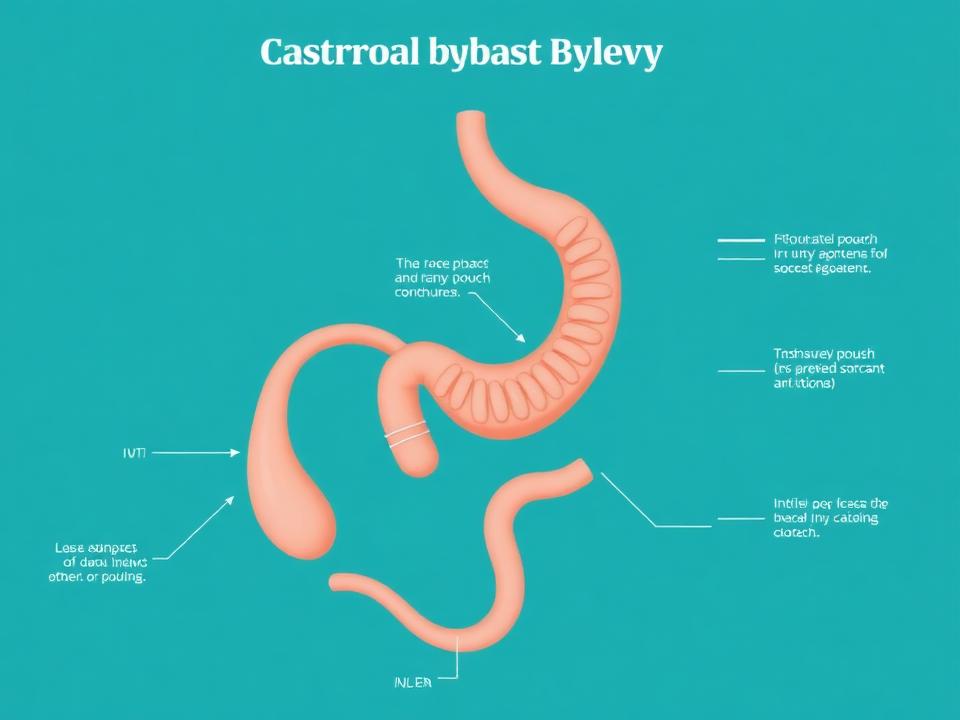
A small gastric pouch is connected to the small intestine, bypassing most of the stomach. Combines restriction and malabsorption for maximum weight loss of 70–80% excess weight. Gold standard for Type 2 diabetes remission.
Mini Gastric Bypass (MGB)
A simpler single-anastomosis bypass with excellent weight loss outcomes. Shorter operative time than RYGB, lower nutritional deficiency risk, and effective for diabetes treatment. Increasingly popular choice.
Revision Surgery
For patients with inadequate weight loss or complications from previous bariatric surgery. Options include conversion from sleeve to bypass, pouch revision, and band removal. Robotic approach preferred for scar anatomy.
Metabolic Surgery
Procedures specifically targeting metabolic disorders including Type 2 diabetes, hypertension, and metabolic syndrome. DJB and SADI-S can be performed even in patients with BMI below 32.5 if medical criteria are met.
Intragastric Balloon
A temporary, non-surgical option where a saline-filled balloon is placed endoscopically. Suitable for patients not ready for surgery or who need to lose weight before a major procedure. Effective for 15–20% total body weight loss over 6 months.
Results
Expected Outcomes
Evidence-based results from published clinical data and Dr. Wadhawan's own surgical programme.
60–80%
Excess Weight Loss
at 18 months
Up to 80%
Type 2 Diabetes Remission
within 1 year
70%
Hypertension Resolution
at 1 year
85%
Sleep Apnea Improvement
post-surgery
60%
GERD Resolution
(after Bypass)
98%
Patient Satisfaction
at Max Hospital
FAQ
Bariatric Surgery FAQs
You may be eligible if your BMI is 32.5 kg/m² or above with obesity-related conditions, or 37.5 kg/m² and above without comorbidities (using Asian thresholds). Patients with Type 2 diabetes and BMI as low as 27.5 may qualify for metabolic surgery. A detailed consultation with Dr. Wadhawan will assess your suitability.
The best procedure depends on your BMI, presence of diabetes, previous surgeries, dietary habits, and lifestyle. Sleeve gastrectomy is excellent for most patients. Gastric bypass is preferred for severe diabetes or very high BMI. Dr. Wadhawan will recommend the most appropriate procedure during your consultation.
Most patients lose 60–80% of their excess body weight within 12–18 months. Sleeve gastrectomy typically achieves 60–70%, gastric bypass 70–80%. Long-term results depend significantly on dietary adherence, physical activity, and follow-up with our nutritional team.
Up to 80% of patients with Type 2 diabetes achieve complete remission after gastric bypass. The improvement often occurs within days to weeks of surgery, before significant weight loss. Even patients who do not achieve full remission typically experience major reductions in their medication requirements.
Like all surgery, bariatric procedures carry risks including anastomotic leak, bleeding, infection, blood clots, and nutritional deficiencies. At Max Hospital, Dwarka, our complication rates are among the lowest in India. Dr. Wadhawan's experience with over 3,000 procedures ensures the highest standard of safety.
Sleeve gastrectomy patients typically stay 1–2 days. Gastric bypass patients stay 2–3 days. Our enhanced recovery protocol allows most patients to walk within hours of surgery and eat liquids the same day.
You will progress through clear liquids, full liquids, pureed, soft, and solid foods over 4–6 weeks. Long-term, small protein-rich meals, avoidance of high-sugar and high-fat foods, and lifelong vitamin supplementation are essential. Our dietitian provides individualised meal plans and ongoing support.
Many health insurance policies cover bariatric surgery when medical necessity criteria are met. Our team assists with insurance pre-authorisation documentation. Coverage varies by insurer — we recommend contacting your insurer before consultation. We also offer transparent self-pay pricing.
Consult Delhi's Best Robotic Surgeon
Schedule a consultation with Dr. Randeep Wadhawan at Max Hospital, Dwarka, New Delhi.