AI Summary
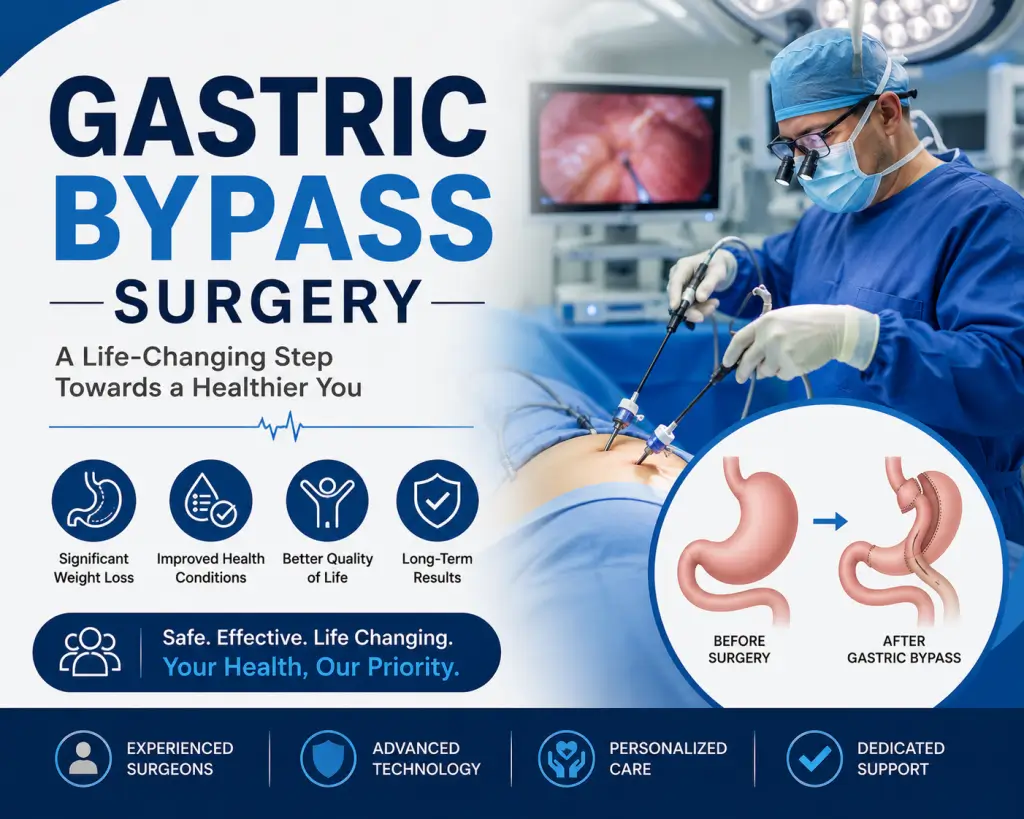
- Gastric bypass reduces stomach size and changes the food pathway.
- It may support major weight loss and improve obesity-related conditions.
- Laparoscopic and robotic methods use small incisions.
- Results depend on healthy habits, supplements, and follow-up.
- A specialist must confirm whether surgery is suitable.
Introduction
Living with severe obesity can affect movement, confidence, sleep, blood sugar and heart health. When diet, exercise, and medical weight management do not provide enough improvement, gastric bypass may be considered. This advanced procedure reduces the amount of food the stomach can hold and changes how food moves through the digestive system. It is not a quick cosmetic treatment. It is a medical option that requires proper evaluation and lifelong lifestyle changes. For suitable patients, gastric bypass surgery in Delhi may support meaningful weight reduction, better health and improved daily living when combined with nutrition, exercise, supplements, and follow-up care.
What Is Gastric Bypass Surgery?
Gastric bypass is a type of bariatric procedure. The most common form is known as Roux-en-Y gastric bypass.
During the operation, the surgeon creates a small pouch from the upper part of the stomach. This pouch is connected to a lower section of the small intestine.
The smaller stomach pouch helps patients feel full after eating less food. The changed digestive pathway may also affect hunger, blood sugar control, and calorie absorption.
How Is Advanced Gastric Bypass Surgery Performed?
Most modern gastric bypass procedures use small incisions instead of one large surgical cut.
What Is Laparoscopic Gastric Bypass?
- During laparoscopic surgery, a small camera and specialised instruments are inserted through tiny openings in the abdomen.
- This method may provide smaller scars, less discomfort, and a faster recovery than traditional open surgery.
What Is Robotic Gastric Bypass?
- During robotic surgery, the surgeon controls robotic instruments from a specialised console.
- The system may provide clear three-dimensional vision and precise movement during complex surgical steps.
Dr. Randeep Wadhawan assesses each patient before recommending an approach. The choice depends on the person’s health, weight, previous operations, and individual treatment requirements.
Who May Be Suitable for Gastric Bypass Surgery?
The procedure may be considered when severe obesity has not improved enough through diet, exercise, medicines, or supervised weight-management programmes.
Possible candidates may have:
- A high body mass index
- Type 2 diabetes
- High blood pressure
- Sleep apnoea
- Joint pain or reduced mobility
- Repeated unsuccessful weight-loss attempts
BMI alone does not confirm eligibility. Blood tests, heart and lung checks, nutrition counselling, and a psychological assessment may also be required before surgery.
How Much Weight Can a Patient Lose?
Weight-loss results differ from person to person. Many patients lose a significant amount of excess weight during the first 12 to 24 months. However, no exact outcome can be promised.
Results depend on starting weight, age, health conditions, eating habits, physical activity and follow-up care.
Weight loss surgery in Delhi should be viewed as a tool that supports healthy change. It does not replace balanced eating, exercise or long-term medical guidance.
Can Gastric Bypass Improve Other Health Conditions
Gastric bypass may improve several health conditions connected with obesity.
These may include:
- Type 2 diabetes
- High blood pressure
- Sleep apnoea
- High cholesterol
- Joint strain
- Reduced mobility
Some patients may need fewer medicines after surgery. However, medicines should only be reduced or stopped under medical supervision.
What Happens Before and After Surgery?
Before surgery, the patient may meet a surgeon, dietitian, physician, and anaesthetist. The team explains the operation, possible risks, diet plan, and expected recovery.
After surgery, food is introduced in stages. Patients normally move from liquids to pureed food, soft food, and then healthy solid meals.
Protein, hydration, small portions, and slow eating become important parts of recovery.
Dr. Randeep Wadhawan may also recommend lifelong vitamin and mineral supplements because gastric bypass can reduce the absorption of certain nutrients.
What Are the Possible Risks?
Like every major operation, gastric bypass has possible risks.
These may include bleeding, infection, blood clots, leakage, ulcers, narrowing at a surgical connection, and nutritional deficiencies.
Some patients may experience dumping syndrome after eating sugary foods.
Symptoms can include nausea, sweating, weakness, stomach discomfort, or diarrhoea.
Urgent medical attention may be required for severe abdominal pain, fever, breathing difficulty, repeated vomiting, or unusual weakness.
How Can Patients Maintain Weight Loss?
Long-term success requires permanent lifestyle changes.
Patients should eat slowly, choose protein-rich foods, limit sugary drinks, and follow the recommended portion sizes.
Walking, strength exercises, good sleep, and stress management can also support progress.
Follow-up appointments help the medical team monitor weight, nutrition, blood test results and overall wellbeing.
Fat loss surgery in Delhi works best when patients treat follow-up care as an essential part of their treatment.
Why Should Patients Choose Specialist Care in Delhi?
Delhi provides access to advanced hospitals, experienced bariatric teams, laparoscopic systems, and robotic surgical technology.
However, patients should consider more than the treatment price.
Ask about the surgeon’s experience, hospital safety standards, emergency support, dietitian access, follow-up programme, and complete treatment cost.
Dr. Randeep Wadhawan provides individual evaluation for people considering bariatric treatment. A personal consultation is necessary to decide whether gastric bypass or another weight-loss option is suitable.
Are You Ready to Discuss Your Weight-Loss Options?
For professional guidance about gastric bypass surgery and other bariatric treatments, contact:
- Phone: +91 7042373880
- Email: randeepwadhawan@yahoo.com
A consultation can help you understand your eligibility, available procedures, possible risks, expected recovery, and long-term care requirements.
Frequently Asked Questions –
Q. Is Gastric Bypass Surgery Permanent?
A. The changes made during gastric bypass are generally long-term and difficult to reverse. Patients must be prepared for lifelong dietary and medical follow-up.
Q. How Long Does Recovery Take?
A. Recovery varies between patients. Many people begin walking shortly after surgery and gradually return to normal activities under medical guidance.
Q. Is Gastric Bypass the Same as Liposuction?
A. No. Gastric bypass changes the digestive system to support weight reduction. Liposuction removes a limited amount of fat from selected body areas.
Q. Will I Need Vitamins After Surgery?
A. Most gastric bypass patients need lifelong vitamin and mineral supplements. Regular blood tests help identify possible deficiencies.
Q. Can Weight Return After Gastric Bypass?
A. Some weight regain is possible when healthy eating, exercise, and follow-up care are not maintained.